


Polyisobutylene (PIB) is a synthetic rubber-like polymer that has found a wide range of applications, particularly in the sealant industry. As a leading supplier of Polyisobutylene For Sealant, I have witnessed firsthand the transformative impact of PIB on the performance and quality of sealants. In this blog, I will delve into the role of polyisobutylene in sealant, exploring its unique properties, benefits, and the various types of sealants where it is commonly used.
Unique Properties of Polyisobutylene
One of the key features that make polyisobutylene an ideal component for sealants is its excellent impermeability to gases and moisture. This property is crucial in sealant applications, as it helps to prevent the ingress of air, water vapor, and other contaminants, which can compromise the integrity of the sealed structure. PIB forms a tight, continuous barrier that effectively blocks the passage of gases and moisture, ensuring long - term protection against environmental factors.
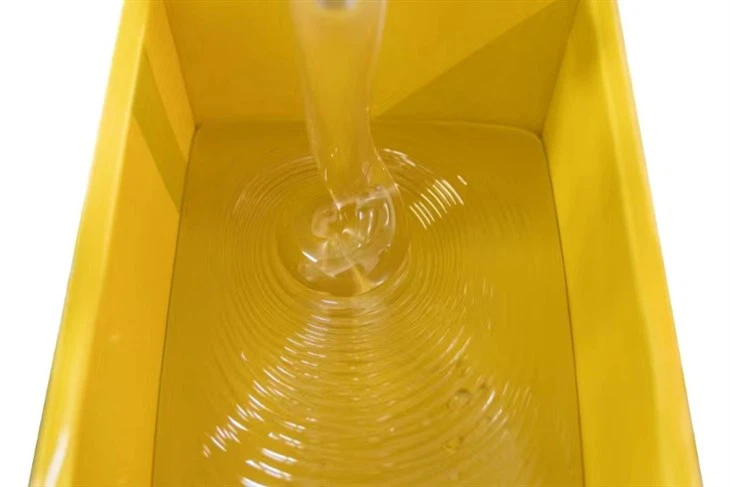

Another important property of polyisobutylene is its high flexibility and elasticity. Sealants need to be able to conform to the shape of the surfaces they are sealing and accommodate movements and vibrations without cracking or losing their adhesion. PIB's flexibility allows it to stretch and bend with the substrate, maintaining a secure seal even under dynamic conditions. This is particularly important in applications where the sealed joints are subject to thermal expansion and contraction, such as in buildings and automotive components.
Polyisobutylene also exhibits good chemical resistance. It is resistant to a wide range of chemicals, including acids, alkalis, and solvents. This chemical resistance makes it suitable for use in harsh environments where the sealant may come into contact with various corrosive substances. For example, in industrial settings or chemical processing plants, sealants containing PIB can provide reliable protection against chemical attack.
Benefits of Using Polyisobutylene in Sealants
Enhanced Adhesion
PIB improves the adhesion of sealants to a variety of substrates, including metals, plastics, glass, and concrete. The polymer has a high affinity for these surfaces, allowing the sealant to bond firmly and create a durable seal. This strong adhesion is essential for preventing leaks and ensuring the longevity of the sealed joint.
Improved Weather Resistance
Sealants are often exposed to the elements, including sunlight, rain, snow, and extreme temperatures. Polyisobutylene's resistance to weathering helps the sealant maintain its performance over time. It does not degrade easily under UV radiation, and it can withstand a wide range of temperatures without losing its physical properties. This makes sealants with PIB suitable for both indoor and outdoor applications.
Reduced Shrinkage
During the curing process, some sealants may shrink, which can lead to gaps and leaks. Polyisobutylene helps to minimize shrinkage, ensuring that the sealant maintains its shape and volume after application. This results in a more reliable and consistent seal.
Types of Sealants Using Polyisobutylene
Insulated Glass Sealants
In the insulated glass industry, Polyisobutylene For Insulated Glass Sealant plays a critical role. Insulated glass units consist of two or more glass panes separated by a spacer, and a sealant is used to create an air - tight and water - tight seal around the edges. PIB - based sealants provide excellent gas and moisture barrier properties, which are essential for maintaining the thermal insulation and energy efficiency of the insulated glass unit. They also help to prevent the formation of condensation between the glass panes, ensuring clear visibility and a longer lifespan for the unit.
Automotive Sealants
Automotive applications require sealants that can withstand high temperatures, vibrations, and exposure to various fluids. Polyisobutylene is used in automotive sealants for applications such as windshield sealing, body panel sealing, and engine compartment sealing. Its flexibility and chemical resistance make it an ideal choice for these demanding environments. For example, in windshield sealing, a PIB - containing sealant can provide a secure bond between the glass and the vehicle body, while also preventing water and air leaks.
Construction Sealants
In the construction industry, sealants are used to seal joints in buildings, bridges, and other structures. Polyisobutylene - based sealants are popular due to their ability to provide long - term protection against water infiltration, air leakage, and sound transmission. They can be used for both expansion joints and control joints, where they need to accommodate movement and prevent damage to the structure. For instance, in a building facade, a PIB - based sealant can be used to seal the joints between the panels, ensuring a weather - tight and aesthetically pleasing finish.
Our Polyisobutylene Products for Sealants
As a supplier, we offer a range of polyisobutylene products specifically designed for sealant applications. One of our popular products is MB - 10 Polyisobutylene for Sealents. MB - 10 has a medium molecular weight, which provides a good balance between viscosity, flexibility, and adhesion. It is suitable for a variety of sealant formulations, including those used in the construction and automotive industries.
Another product is MB - 15 Polyisobutylene for Film. Although it is also suitable for film applications, it can be incorporated into sealants to enhance their performance. MB - 15 offers improved mechanical properties and better resistance to environmental factors, making it a valuable addition to sealant formulations.
Contact for Procurement and Collaboration
If you are in the market for high - quality polyisobutylene for your sealant production, we would be delighted to discuss your specific requirements. Our team of experts can provide technical support and guidance to help you select the most suitable polyisobutylene product for your application. Whether you are a small - scale manufacturer or a large - scale industrial enterprise, we can offer competitive pricing and reliable supply. Contact us today to start a conversation about how our polyisobutylene products can enhance the performance of your sealants.
References
- Brydson, J. A. (1999). Plastics Materials. Butterworth - Heinemann.
- Morton, M. (1987). Rubber Technology. Van Nostrand Reinhold.
- Oberth, C. (1997). Handbook of Sealants: Theory and Practice. CRC Press.


