


Hey there! As a supplier of Polyisobutylene for Gum Base, I'm super stoked to dive into the packaging requirements for this nifty product. Polyisobutylene is a key ingredient in gum base, giving chewing gum that awesome stretchy and long - lasting texture we all love. So, let's get into what it takes to package it right.
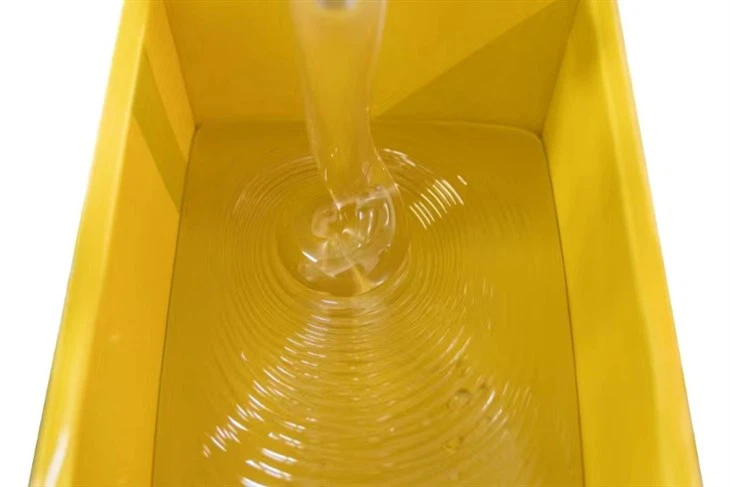

Why Proper Packaging Matters
First off, why does packaging matter so much? Well, polyisobutylene is sensitive to environmental factors like air, moisture, and temperature. If it's not packaged properly, it can degrade over time. This degradation can mess with its physical and chemical properties, which in turn affects the quality of the gum base it's used in. For example, exposure to air can cause oxidation, making the polyisobutylene less sticky and more brittle. Moisture can lead to clumping, which is a huge no - no when you're trying to mix it evenly into the gum base.
Material Requirements
When it comes to the packaging material, we've got a few options. One of the most common choices is high - density polyethylene (HDPE) drums. HDPE is great because it's tough, resistant to chemicals, and can keep out moisture and air. These drums are also easy to handle and transport. They come in different sizes, usually ranging from 200 liters to 1000 liters, depending on how much polyisobutylene you're shipping.
Another option is flexible packaging made from multi - layer films. These films are often made up of different polymers, like polyethylene and polypropylene, which are laminated together. The multi - layer design provides a better barrier against air and moisture. Flexible packaging is lighter and more space - efficient than drums, which can save on shipping costs. But it's not as durable as drums, so it needs to be handled with a bit more care.
Sealing Requirements
Sealing is crucial to keep the polyisobutylene fresh. For HDPE drums, a tight - fitting lid is a must. The lid should be sealed with a gasket to prevent any air or moisture from getting in. Some drums also come with a secondary seal, like a foil liner, for extra protection.
In the case of flexible packaging, heat sealing is the way to go. Heat sealing creates a strong, airtight bond between the layers of the film. It's important to make sure the sealing process is done correctly, with the right temperature and pressure. If the seal is too weak, it won't keep the product safe. If it's too strong, it can damage the packaging.
Labeling Requirements
Labeling is not just for looks; it's a legal requirement and a way to provide important information to the customer. The label on the polyisobutylene packaging should include the product name, grade, batch number, and manufacturing date. This information helps with traceability in case there are any quality issues.
It should also have safety information, like handling instructions and any potential hazards. For example, polyisobutylene is flammable, so the label should have a warning about keeping it away from heat sources and open flames.
Storage and Transportation Considerations
During storage, the packaged polyisobutylene should be kept in a cool, dry place. The ideal temperature range is between 20°C and 30°C. If the temperature is too high, it can cause the product to soften and become difficult to handle. If it's too low, it can become brittle.
When it comes to transportation, it's important to protect the packages from physical damage. They should be stacked properly to prevent crushing. If the polyisobutylene is being shipped overseas, it needs to comply with international shipping regulations. This might include things like proper documentation and packaging that can withstand long - distance travel.
Our Product Range
As a supplier, we offer a variety of polyisobutylene products for gum base. In addition to that, we also have other related products. For example, we have MB - 10 Polyisobutylene for Sealents, which is great for sealing applications. It has excellent adhesion properties and can withstand different environmental conditions.
We also provide MB - 15 Polyisobutylene for Film. This product is used in film manufacturing and gives the film good flexibility and strength. And if you're in the market for polyisobutylene for insulated glass sealant, check out our Polyisobutylene For Insulated Glass Sealant. It's designed to provide a reliable seal for insulated glass units.
Contact Us for Procurement
If you're interested in our polyisobutylene products for gum base or any of our other offerings, we'd love to hear from you. Whether you have questions about the packaging requirements, want to place an order, or just need more information, don't hesitate to reach out. We're here to make sure you get the best product for your needs.
References
- "Polymer Science and Technology" by Carl A. Harriss
- "Packaging Technology" by Robert K. McGinnis
- Industry standards and regulations related to polyisobutylene packaging


