


Can polyisobutylene for sealant be used in plumbing applications? That's a question I get asked a lot as a supplier of Polyisobutylene For Sealant. Let's dive right in and explore this topic to see if it's a good fit for plumbing work.
First off, what is polyisobutylene? Well, it's a synthetic rubber - like polymer that's known for its excellent sealing properties. It's used in a bunch of different industries, from making adhesives to sealing up windows and doors. You can check out MB - 10 Polyisobutylene for Sealents to get a better idea of the specific product we offer.
Now, when it comes to plumbing applications, there are a few key factors we need to consider. One of the most important things in plumbing is preventing leaks. A good sealant has to be able to form a tight, long - lasting barrier against water, whether it's hot or cold. Polyisobutylene has some really cool properties that make it a strong candidate for this job.
For starters, it's highly resistant to water. This means that once you apply it in a plumbing joint or connection, it won't break down easily when it comes into contact with water. It can maintain its integrity over time, which is crucial for a plumbing system that needs to last for years. You don't want to be constantly re - sealing joints because the sealant has failed.
Another great thing about polyisobutylene is its flexibility. Plumbing pipes can expand and contract due to temperature changes. If the sealant isn't flexible enough, it can crack or break, leading to leaks. Polyisobutylene can bend and stretch with the pipes, ensuring that the seal remains intact even as the pipes move.
It also has good adhesion properties. It can stick well to a variety of materials commonly used in plumbing, like metal, plastic, and ceramic. This strong bond helps to create a reliable seal, preventing water from seeping through the joints.
Let's talk about some of the specific plumbing applications where polyisobutylene could be used. One common use is in sealing pipe joints. Whether you're connecting two sections of copper pipes or joining a plastic pipe to a fitting, polyisobutylene can be applied to create a watertight seal. It can also be used around fixtures like sinks, toilets, and showers. For example, when installing a sink, you can use it to seal the connection between the sink and the countertop, preventing water from leaking onto the cabinet below.
However, it's not all sunshine and rainbows. There are a few potential drawbacks to using polyisobutylene in plumbing. One issue is that it may not be suitable for high - pressure plumbing systems. In systems where the water pressure is extremely high, the sealant might not be able to withstand the force, leading to leaks.
Also, some types of polyisobutylene may not be compatible with certain chemicals that can be present in plumbing systems. For example, if there are strong cleaning agents or chemicals in the water supply, they could potentially break down the sealant over time.
But don't worry too much. We offer Polyisobutylene For Insulated Glass Sealant which has been formulated to be more resistant to various factors, and we can work with you to determine if it's the right choice for your plumbing project.
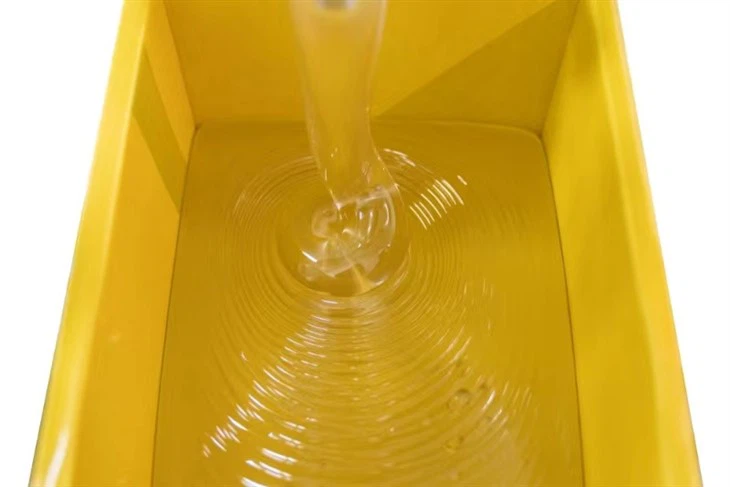

Now, let's compare polyisobutylene with other common sealants used in plumbing. One of the most well - known sealants is silicone. Silicone is also very flexible and water - resistant, but it can be more expensive than polyisobutylene. Polyisobutylene, on the other hand, offers a good balance between performance and cost.
Another popular option is epoxy. Epoxy is extremely strong and durable, but it's not as flexible as polyisobutylene. This lack of flexibility can be a problem in plumbing systems where pipes are subject to movement.
In conclusion, polyisobutylene for sealant can definitely be used in many plumbing applications. It has great water resistance, flexibility, and adhesion properties that make it suitable for sealing pipe joints and fixtures. However, it's important to consider the specific requirements of your plumbing system, such as water pressure and the presence of chemicals.
If you're thinking about using polyisobutylene for your plumbing project, we'd love to have a chat with you. We have a wide range of products, including MB - 15 Polyisobutylene for Film, and our team of experts can help you choose the right one. Just reach out to us, and we can discuss your needs in detail and see if our polyisobutylene products are the perfect fit for your plumbing job.
References
- "Polymer Science and Technology" textbooks
- Industry reports on sealant materials for plumbing applications


