


Hey there! As a supplier of Polyisobutylene for Sealant, I often get asked about the flexural strength of polyisobutylene - based sealant. So, let's dive right into it and break down what this whole flexural strength thing is all about.
First off, what's flexural strength? In simple terms, flexural strength is the ability of a material to resist deformation under bending. When we're talking about polyisobutylene - based sealants, this is super important. Sealants are used in all sorts of places, like between building materials, in automotive parts, and more. They need to be able to bend and flex without breaking or losing their sealing properties.
Polyisobutylene is a key ingredient in many sealants because of its unique properties. It's a rubbery polymer that's really good at sticking to different surfaces. It also has excellent resistance to water, oxygen, and other environmental factors. But how does it perform when it comes to flexural strength?
Well, the flexural strength of polyisobutylene - based sealant depends on a few factors. One of the main things is the molecular weight of the polyisobutylene. Higher molecular weight polyisobutylene tends to have better mechanical properties, including flexural strength. That's because the longer polymer chains can entangle with each other more effectively, creating a stronger and more flexible network.
For example, our MB - 10 Polyisobutylene for Sealents is designed with a specific molecular weight to provide a good balance of flexibility and strength. It can withstand a fair amount of bending without cracking or losing its seal. This makes it great for applications where the sealant will be exposed to movement or vibrations.
Another factor that affects flexural strength is the formulation of the sealant. Besides polyisobutylene, sealants usually contain other additives like fillers, plasticizers, and curing agents. Fillers can improve the strength and stiffness of the sealant, but too much filler can make it brittle and reduce its flexural strength. Plasticizers, on the other hand, can increase the flexibility of the sealant but may also lower its overall strength.

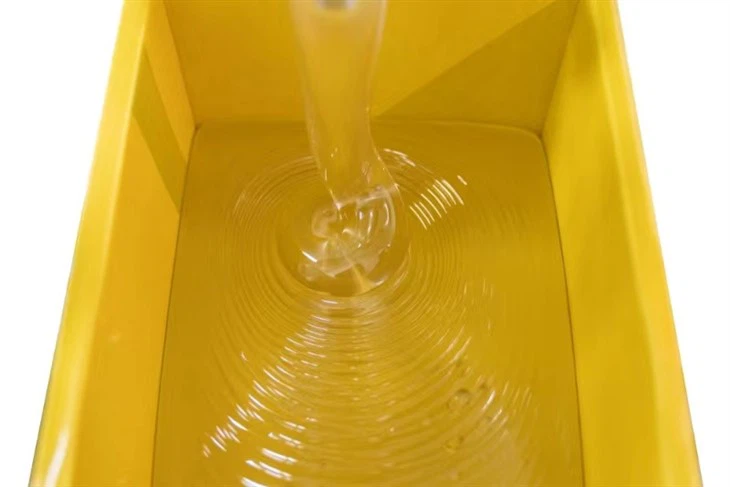
Our R & D team spends a lot of time experimenting with different formulations to find the perfect balance. We want to create sealants that have high flexural strength while still being easy to apply and having good adhesion properties.
Let's take a look at some real - world applications. In the construction industry, polyisobutylene - based sealants are used to seal joints in buildings. These joints need to be able to expand and contract with changes in temperature and humidity. A sealant with poor flexural strength would crack over time, allowing water and air to leak in. This can lead to all sorts of problems, like mold growth, water damage, and energy inefficiency.
In the automotive industry, sealants are used to seal windows, doors, and other parts. The sealants need to be able to withstand the vibrations and movements of the vehicle. A high - flexural - strength sealant ensures that the seals remain intact, keeping the interior of the car quiet and dry.
We also offer other types of polyisobutylene products that might be of interest. For example, MB - 15 Polyisobutylene for Film is great for making films with good flexibility and barrier properties. And MB - 12 Medium molecular weight Polyisobutylene for Gum Base is used in the food industry for making chewing gum.
Now, if you're in the market for polyisobutylene - based sealants or any of our other polyisobutylene products, we'd love to hear from you. Whether you're a large construction company or a small - scale manufacturer, we can provide you with high - quality products that meet your specific needs. Our team of experts is always on hand to offer technical support and advice. So, don't hesitate to reach out and start a conversation about your polyisobutylene requirements. Let's work together to find the best solutions for your projects.
References:
- "Polymer Science and Technology" - A general textbook on polymers that covers the properties and applications of polyisobutylene.
- Industry reports on sealant technology and market trends.


