


Hey there! As a polyisobutene supplier, I often get asked about what goes into making this versatile product. So, I thought I'd break it down for you in this blog post.
What Exactly is Polyisobutene?
Before we jump into the raw materials, let's quickly talk about what polyisobutene is. Polyisobutene, also known as PIB, is a synthetic polymer. It's got a whole bunch of uses, from being in chewing gum base to sealants and lubricants. It's super flexible and has some great properties like being resistant to oxidation and having good viscosity.
The Key Raw Material: Isobutene
The main ingredient in making polyisobutene is isobutene. Isobutene, also called 2 - methylpropene, is a colorless gas. It's a hydrocarbon, which means it's made up of hydrogen and carbon atoms. You can find isobutene in refinery gases and also as a by - product of ethylene production.
Isobutene is crucial because it's the building block for polyisobutene. Through a process called polymerization, lots of isobutene molecules link together to form long chains, which is what polyisobutene is.
There are different ways to get isobutene. One common method is through the cracking of petroleum fractions. When crude oil is refined, different compounds are separated out, and isobutene can be obtained from specific fractions. Another way is through the dehydrogenation of isobutane. In this process, isobutane loses hydrogen atoms to form isobutene.
Catalysts: Making the Magic Happen
Just having isobutene isn't enough. We need something to kick - start the polymerization process, and that's where catalysts come in. Catalysts are substances that speed up a chemical reaction without getting used up in the process.
One of the most commonly used catalysts for making polyisobutene is aluminum chloride (AlCl₃). Aluminum chloride is a Lewis acid catalyst. It helps to initiate the reaction between the isobutene molecules. When added to the reaction mixture, it creates an environment where the isobutene molecules can start to link up with each other.
Another type of catalyst that can be used is boron trifluoride (BF₃). BF₃ is also an effective catalyst for the polymerization of isobutene. It works in a similar way to aluminum chloride, but it might be preferred in some cases because of its different reactivity and selectivity.
Other Additives
Apart from isobutene and catalysts, there are some other additives that can be used in the production of polyisobutene.
Antioxidants are often added to polyisobutene. Since polyisobutene can be exposed to oxygen over time, antioxidants help to prevent oxidation. Oxidation can cause the polyisobutene to break down and lose its properties. Some common antioxidants used are phenolic antioxidants. These work by reacting with the free radicals that are formed during the oxidation process, thus stopping the oxidation reaction.
Stabilizers are another important additive. They help to keep the polyisobutene stable under different conditions. For example, they can prevent the polymer from degrading at high temperatures or in the presence of light. UV stabilizers can be added if the polyisobutene is going to be used in outdoor applications where it will be exposed to sunlight.
How These Raw Materials Affect the Final Product
The quality and properties of the raw materials can have a big impact on the final polyisobutene product.
The purity of isobutene is really important. If the isobutene contains impurities, it can affect the polymerization process. Impurities might react with the catalyst or interfere with the formation of the long polymer chains. This can lead to a polyisobutene product with inconsistent properties, like different molecular weights or lower quality.
The type and amount of catalyst used also play a role. Different catalysts can lead to different polymerization rates and molecular weight distributions. For example, using a more active catalyst might result in a faster reaction and a higher molecular weight polyisobutene. But if too much catalyst is used, it can cause side reactions and also make the product more difficult to purify.
The additives, like antioxidants and stabilizers, can improve the shelf - life and performance of the polyisobutene. If the right amount of antioxidant is added, the polyisobutene can resist oxidation for a longer time, which is great for applications where it will be stored for a while or used in an oxygen - rich environment.
Our Polyisobutene Products
At our company, we use high - quality raw materials to produce top - notch polyisobutene products. We have a range of products for different applications.
For example, we have MB - 12 Medium molecular weight Polyisobutylene for Gum Base. This product is specifically designed for use in chewing gum base. It has the right texture and properties to give the gum its chewiness and elasticity.
We also offer MB - 10 Polyisobutylene for Sealents. This polyisobutene is great for sealant applications because it has good adhesion and can withstand different environmental conditions.
Another product is Polyisobutylene For Insulated Glass Sealant. It's designed to provide a reliable seal for insulated glass, helping to keep the glass insulated and protected.

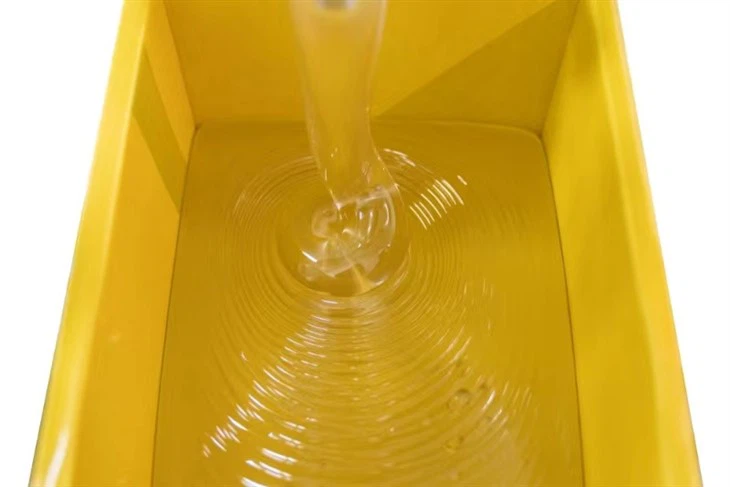
Why Choose Our Polyisobutene?
We take pride in our polyisobutene products. Our strict quality control ensures that every batch of polyisobutene meets high standards. We source the best raw materials, and our production process is carefully monitored to get the best results.
Whether you're in the chewing gum industry, the sealant business, or any other industry that uses polyisobutene, we've got the right product for you. Our team is always ready to answer your questions and help you find the perfect polyisobutene solution for your needs.
Let's Talk Business
If you're interested in purchasing polyisobutene for your business, we'd love to have a chat with you. We can discuss your specific requirements, provide samples, and give you a competitive quote. Don't hesitate to reach out and start the conversation about how our polyisobutene can benefit your operations.
References
- "Handbook of Polymer Synthesis" by Krzysztof Matyjaszewski and Yves Gnanou
- "Petroleum Refining: Technology and Economics" by James G. Speight
- "Polymer Chemistry: An Introduction" by Malcolm P. Stevens


