

Polyisobutene, also known as PIB, is a synthetic elastomer with a wide range of applications due to its unique set of properties. As a leading polyisobutene supplier, we have in - depth knowledge of its various characteristics, including its electrical properties. In this blog post, we'll explore the electrical properties of polyisobutene and how they contribute to its many uses.
1. Electrical Insulation
One of the most significant electrical properties of polyisobutene is its excellent electrical insulation performance. Polyisobutene has a high dielectric strength, which means it can withstand high electric fields without breaking down and conducting electricity. This property makes it an ideal material for use in electrical insulation applications.
The molecular structure of polyisobutene plays a crucial role in its insulation capabilities. It consists of long - chain hydrocarbon molecules with a non - polar nature. Non - polar molecules do not have a net electric dipole moment, which means they do not readily interact with electric fields. As a result, polyisobutene can effectively prevent the flow of electric current through it.
In the electrical industry, polyisobutene is often used as an insulating material in cables and wires. Its high dielectric strength ensures that the electrical signals are transmitted safely and efficiently, without any leakage or short - circuits. For example, in high - voltage power cables, a layer of polyisobutene can be applied to insulate the conductive core from the surrounding environment, protecting both the cable and the people and equipment in its vicinity.
2. Dielectric Constant
The dielectric constant, also known as the relative permittivity, is another important electrical property of polyisobutene. The dielectric constant measures how much a material can store electrical energy in an electric field relative to a vacuum. Polyisobutene has a relatively low dielectric constant, typically in the range of 2.2 - 2.3 at room temperature.
A low dielectric constant is beneficial in many electrical applications. It indicates that polyisobutene does not absorb a large amount of electrical energy from the electric field. This property is particularly useful in high - frequency applications, such as radio frequency (RF) circuits. In RF applications, materials with low dielectric constants are preferred because they cause less signal loss and interference. For instance, in mobile phones and other wireless communication devices, polyisobutene can be used in the construction of RF components to ensure high - quality signal transmission.
3. Volume Resistivity
Volume resistivity is a measure of a material's ability to resist the flow of electric current through its volume. Polyisobutene has a very high volume resistivity, usually on the order of 10^14 - 10^16 ohm - cm. This high resistivity further confirms its excellent electrical insulation properties.
The high volume resistivity of polyisobutene is due to its non - polar molecular structure and the absence of free charge carriers. In the absence of external factors that can introduce charge carriers (such as impurities or high - energy radiation), polyisobutene behaves as a very good insulator. This property is essential in applications where electrical isolation is critical, such as in electronic components and electrical enclosures.
4. Surface Resistivity
In addition to volume resistivity, surface resistivity is also an important consideration for polyisobutene. Surface resistivity measures the resistance to the flow of electric current along the surface of a material. Polyisobutene has a relatively high surface resistivity, which helps to prevent the build - up of static electricity on its surface.
Static electricity can cause problems in many industries, such as electronics manufacturing, where it can damage sensitive electronic components. The high surface resistivity of polyisobutene reduces the likelihood of static charge accumulation. This is especially important in applications where polyisobutene is used in contact with other materials or in environments where static electricity is a concern, such as in clean rooms and semiconductor manufacturing facilities.
Applications Based on Electrical Properties
The unique electrical properties of polyisobutene make it suitable for a variety of applications.
Electrical Insulation in Cables and Wires
As mentioned earlier, polyisobutene's high dielectric strength and volume resistivity make it an excellent choice for cable and wire insulation. It can be used in both low - voltage and high - voltage applications, providing reliable protection against electrical leakage and short - circuits.
Electronic Components
In the electronics industry, polyisobutene can be used in the manufacturing of various electronic components. Its low dielectric constant and high volume resistivity make it suitable for use in capacitors, printed circuit boards (PCBs), and other components where electrical insulation and low signal loss are required.
Sealing and Encapsulation
Polyisobutene's electrical properties also make it useful for sealing and encapsulation applications. For example, in electrical enclosures, polyisobutene - based sealants can be used to provide a hermetic seal that not only protects the internal components from environmental factors but also provides electrical insulation. Our MB - 10 Polyisobutylene for Sealents is specifically designed for such sealing applications, taking advantage of its excellent electrical and mechanical properties.
Films and Coatings
Polyisobutene can be used to produce films and coatings with good electrical properties. These films and coatings can be applied to various substrates to provide electrical insulation and protection. Our MB - 15 Polyisobutylene for Film is a great option for applications where a thin, flexible, and electrically insulating film is required.
Gum Base in Electrical Applications
In some cases, polyisobutene can be used as a gum base in electrical applications. Our MB - 12 Medium molecular weight Polyisobutylene for Gum Base has the right balance of electrical and mechanical properties to be used in this context, providing adhesion and insulation at the same time.
Conclusion
In conclusion, polyisobutene exhibits a range of excellent electrical properties, including high dielectric strength, low dielectric constant, high volume resistivity, and high surface resistivity. These properties make it a versatile material with a wide range of applications in the electrical and electronics industries.

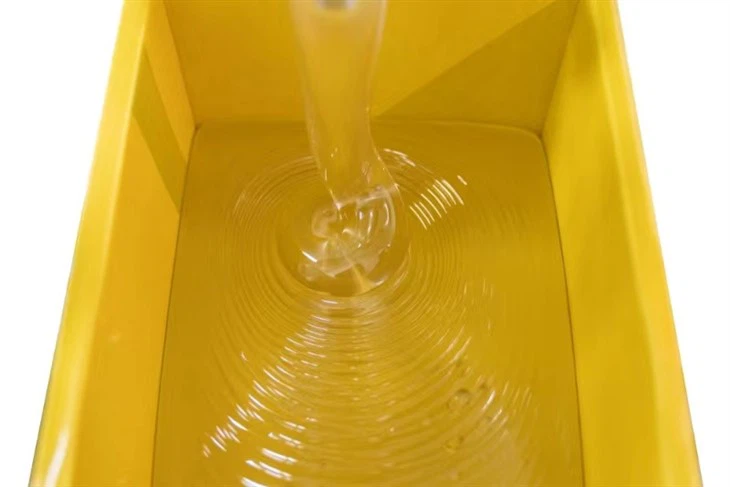
As a polyisobutene supplier, we are committed to providing high - quality polyisobutene products that meet the diverse needs of our customers. Whether you are looking for materials for electrical insulation, sealing, or other applications, our products can offer the performance and reliability you require.
If you are interested in learning more about our polyisobutene products or have specific requirements for your projects, we invite you to contact us for a detailed discussion. Our team of experts is ready to assist you in finding the most suitable polyisobutene solution for your needs.
References
- Billmeyer, F. W. (1984). Textbook of Polymer Science. Wiley - Interscience.
- Odian, G. (2004). Principles of Polymerization. Wiley.