

Medium molecular weight polyisobutylene (MMW PIB) is a fascinating polymer with a wide range of biological properties and industrial applications. As a leading supplier of MMW PIB, I am excited to share in - depth knowledge about its biological characteristics, which can help you understand its potential in various fields.
1. Chemical Structure and General Overview
Polyisobutylene is a synthetic polymer made from the polymerization of isobutylene monomers. Medium molecular weight polyisobutylene typically has a molecular weight ranging from 35,000 to 100,000 g/mol. Its chemical structure consists of a long - chain hydrocarbon backbone with methyl groups attached to every other carbon atom. This structure gives MMW PIB several unique physical and chemical properties, which in turn influence its biological behavior.
2. Biocompatibility
One of the most remarkable biological properties of MMW PIB is its high biocompatibility. Biocompatibility refers to the ability of a material to perform its desired function with an appropriate host response in a specific application. In the context of MMW PIB, it means that this polymer can interact with living tissues and cells without causing significant adverse effects.
- In Vitro Studies: In vitro studies using cell cultures have shown that MMW PIB has a low cytotoxicity. When cells are exposed to MMW PIB extracts, cell viability remains high, and there is minimal evidence of cell death or damage. This is because the non - polar nature of MMW PIB makes it less likely to interact with the polar components of cell membranes and intracellular molecules in a harmful way.
- In Vivo Applications: In vivo, MMW PIB has been used in various medical applications where biocompatibility is crucial. For example, in the development of drug delivery systems, MMW PIB can be used as a carrier for hydrophobic drugs. Its biocompatibility ensures that the polymer does not trigger an immune response when inserted into the body, allowing for a safe and effective delivery of the therapeutic agents.
3. Hydrophobicity and Barrier Properties
MMW PIB is highly hydrophobic, meaning it has a strong aversion to water. This property has significant implications for its biological interactions and applications.
- Skin Interaction: In the field of cosmetics and dermatology, the hydrophobic nature of MMW PIB makes it an ideal ingredient for skin care products. When applied to the skin, it forms a thin, protective film that acts as a barrier against moisture loss. This helps to keep the skin hydrated and soft. Moreover, the barrier can also prevent the entry of external contaminants, such as bacteria and allergens, reducing the risk of skin infections and allergic reactions.
- Ocular Applications: In ophthalmic products, MMW PIB can be used to form a protective layer on the surface of the eye. The hydrophobic barrier helps to prevent the evaporation of the tear film, providing relief for patients with dry eye syndrome. It can also be used in the formulation of medicated eye drops to enhance the stability and retention of the drug on the eye surface.
4. Low Reactivity and Chemical Stability
MMW PIB is chemically stable and has low reactivity under normal biological conditions. This is due to the strong carbon - carbon and carbon - hydrogen bonds in its structure, which are difficult to break.
- Long - term Storage in Biological Systems: In biological systems, this stability allows MMW PIB - based products to have a long shelf - life. For example, in the case of medical devices or implants containing MMW PIB, the polymer can maintain its integrity and functionality over an extended period. This is important for ensuring the long - term effectiveness and reliability of these products.
- Resistance to Enzymatic Degradation: MMW PIB is relatively resistant to enzymatic degradation. Enzymes in the body are often responsible for breaking down foreign substances, but the chemical structure of MMW PIB makes it a poor substrate for most enzymes. This property is beneficial in applications where the polymer needs to remain intact for a certain period, such as in long - acting drug delivery systems.
5. Applications in Different Industries Based on Biological Properties
The unique biological properties of MMW PIB have led to its widespread use in various industries.

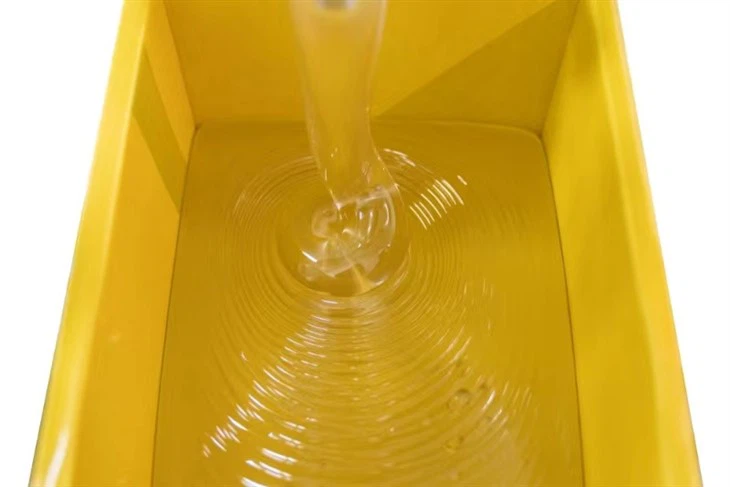
- Sealants: MB - 10 Polyisobutylene for Sealents is a product that takes advantage of the hydrophobic and low - reactivity properties of MMW PIB. In the construction and automotive industries, sealants need to be able to withstand harsh environmental conditions and prevent the entry of water, air, and other contaminants. The biocompatibility of MMW PIB also makes it suitable for applications where the sealant may come into contact with biological materials in a building or vehicle.
- Gum Base: MB - 12 Medium molecular weight Polyisobutylene for Gum Base is used in the manufacture of chewing gum. The biocompatibility of MMW PIB is essential as the gum is placed in the mouth, where it comes into contact with the oral mucosa and saliva. The hydrophobicity of the polymer also contributes to the chewiness and long - lasting flavor release of the gum.
- Film Applications: MB - 15 Polyisobutylene for Film is used in the production of films, such as those used in food packaging. The low reactivity and biocompatibility of MMW PIB ensure that the film does not contaminate the food. The hydrophobic barrier properties also help to keep the food fresh by preventing moisture and oxygen from entering the package.
6. Contact for Procurement
If you are interested in incorporating medium molecular weight polyisobutylene into your products, we are here to assist you. Our high - quality MMW PIB products, such as MB - 10, MB - 12, and MB - 15, are manufactured to meet the highest industry standards. We can provide you with detailed product specifications, samples, and technical support. Whether you are in the sealant, gum base, or film industry, our MMW PIB can offer the biological and physical properties you need. Contact us today to start a procurement discussion and explore how our products can enhance your business.
References
- Albertsson, A - C., & Varma, I. K. (2003). Biopolymers and Biodegradable Plastics. Wiley - VCH.
- Lendlein, A., & Langer, R. (2002). Biodegradable, Elastic Shape - Memory Polymers for Potential Biomedical Applications. Science, 296(5573), 1673 - 1676.
- Ratner, B. D., Hoffman, A. S., Schoen, F. J., & Lemons, J. E. (2004). Biomaterials Science: An Introduction to Materials in Medicine. Elsevier.