


Hey there! As a supplier of medium molecular weight polyisobutylene, I often get asked about how to remove impurities from this awesome material. So, I thought I'd share some insights based on my experience in the industry.
Medium molecular weight polyisobutylene is a versatile polymer with a wide range of applications. Whether it's for sealants, films, or gum bases, it plays a crucial role. But sometimes, impurities can sneak in during the production process, and that can affect its performance. So, let's dive into the methods of getting rid of those pesky impurities.
1. Solvent Extraction
One of the most common ways to remove impurities from medium molecular weight polyisobutylene is through solvent extraction. This method involves using a suitable solvent to dissolve the polyisobutylene while leaving the impurities behind.
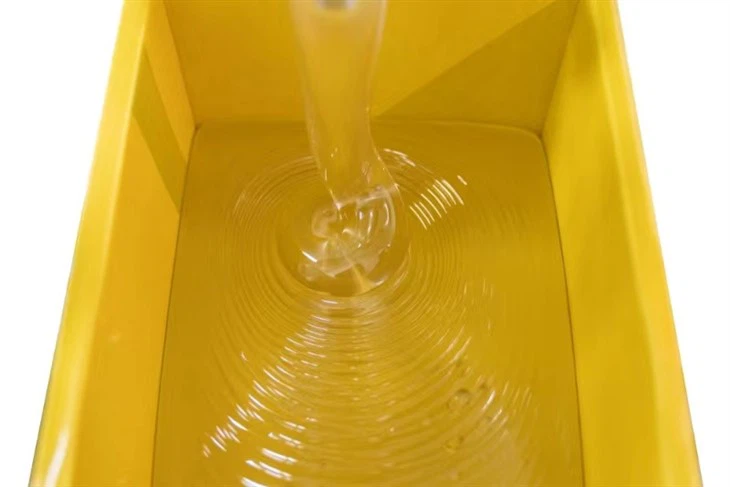

The first step is to choose the right solvent. You need a solvent that can dissolve the polyisobutylene but not the impurities. For medium molecular weight polyisobutylene, solvents like hexane or toluene are often used. These solvents have good solubility for polyisobutylene and can effectively separate it from other substances.
Once you've selected the solvent, you mix it with the polyisobutylene. You'll need to stir the mixture well to ensure that the polyisobutylene dissolves completely. After that, you let the mixture settle. The impurities, which are insoluble in the solvent, will sink to the bottom. You can then separate the solvent with the dissolved polyisobutylene from the impurities by decantation or filtration.
Finally, you need to remove the solvent from the polyisobutylene. This can be done by evaporation. You heat the solution gently to evaporate the solvent, leaving behind the purified polyisobutylene.
2. Filtration
Filtration is another effective method for removing impurities from medium molecular weight polyisobutylene. This method is especially useful for removing solid impurities.
You'll need a filter with the appropriate pore size. The pore size should be small enough to trap the impurities but large enough to allow the polyisobutylene to pass through. For medium molecular weight polyisobutylene, filters with a pore size in the range of a few micrometers are often used.
You can use different types of filters, such as membrane filters or cartridge filters. The polyisobutylene is passed through the filter under pressure. The solid impurities are trapped on the filter, while the purified polyisobutylene passes through and is collected on the other side.
Filtration can be done in a single step or multiple steps, depending on the level of impurities. If there are a lot of impurities, you may need to use multiple filters with different pore sizes to achieve a high level of purification.
3. Distillation
Distillation is a more advanced method for removing impurities from medium molecular weight polyisobutylene. This method is based on the difference in boiling points between the polyisobutylene and the impurities.
First, you heat the polyisobutylene mixture. As the temperature rises, the components with lower boiling points will start to vaporize. You collect the vapors and condense them back into a liquid. The impurities with lower boiling points will vaporize first and can be separated from the polyisobutylene.
The polyisobutylene has a relatively high boiling point, so it will remain in the distillation flask until a higher temperature is reached. By carefully controlling the temperature and the distillation process, you can separate the polyisobutylene from the impurities with different boiling points.
Distillation is a precise method, but it requires specialized equipment and careful operation. It's often used when a high level of purity is required.
Applications of Purified Medium Molecular Weight Polyisobutylene
Purified medium molecular weight polyisobutylene has a wide range of applications. For example, MB - 10 Polyisobutylene for Sealents is used in the sealant industry. When the polyisobutylene is purified, it can provide better sealing performance, with improved adhesion and durability.
Another application is in the film industry. MB - 15 Polyisobutylene for Film benefits from purification as it can result in clearer and more uniform films. The purified polyisobutylene has fewer impurities, which means fewer defects in the film.
In the gum base industry, MB - 12 Medium molecular weight Polyisobutylene for Gum Base needs to be of high purity. Purification ensures that the gum base has the right texture and taste, and it meets the strict quality standards of the food industry.
Why Choose Our Medium Molecular Weight Polyisobutylene
As a supplier, we take pride in providing high - quality medium molecular weight polyisobutylene. Our products are produced using advanced processes, and we pay great attention to the purification step. We use a combination of the methods mentioned above to ensure that our polyisobutylene is of the highest purity.
We understand that different applications have different requirements for purity. That's why we offer customized purification services. Whether you need a slightly purified product for general applications or a highly purified one for specialized uses, we can meet your needs.
If you're in the market for medium molecular weight polyisobutylene, we'd love to hear from you. Whether you have questions about our products, the purification process, or you're ready to place an order, don't hesitate to contact us. We're here to help you find the best polyisobutylene solution for your business.
References
- "Polymer Science and Technology" by Morton M.
- "Handbook of Polymer Synthesis, Characterization, and Processing" by Enrique J. Munoz - Gonzalez.


