

Polyisobutylene (PIB) is a crucial component in gum base, contributing to its elasticity, chewability, and overall quality. Antioxidants, on the other hand, play a vital role in preventing the oxidation of various components within the gum base, including PIB. As a leading supplier of Polyisobutylene for Gum Base, we have delved deep into understanding how PIB interacts with antioxidants in gum base. This blog post aims to shed light on this intricate relationship.
The Basics of Polyisobutylene in Gum Base
Polyisobutylene is a synthetic rubber - like polymer that provides the necessary flexibility and chewiness to gum. It has a high molecular weight, which gives it excellent viscoelastic properties. In gum base, PIB acts as a binder, holding together other ingredients such as resins, waxes, and fillers. Different grades of PIB can be used depending on the desired characteristics of the gum. For instance, MB - 12 Medium molecular weight Polyisobutylene for Gum Base is specifically formulated to meet the requirements of gum base production, offering a balance between elasticity and processability.
The Role of Antioxidants in Gum Base
Antioxidants are substances that inhibit oxidation, a chemical reaction that can lead to the degradation of materials. In gum base, oxidation can cause several problems, including the development of off - flavors, changes in texture, and a reduction in shelf - life. Antioxidants work by scavenging free radicals, which are highly reactive molecules that initiate the oxidation process. Common antioxidants used in gum base include butylated hydroxytoluene (BHT), butylated hydroxyanisole (BHA), and tocopherols.

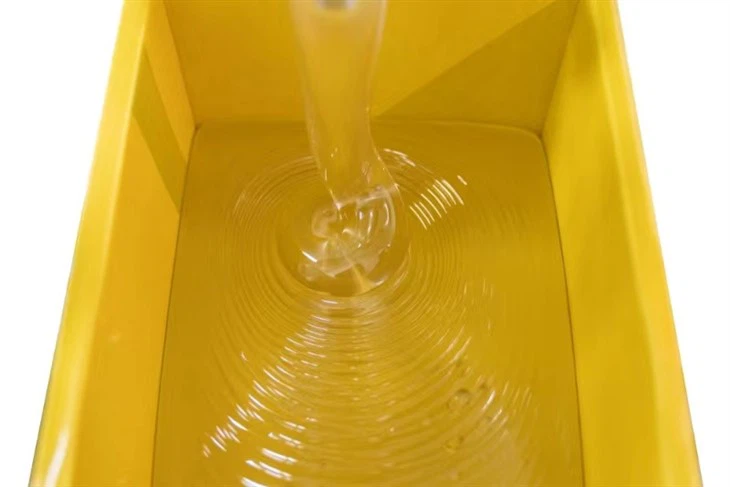
Interaction Mechanisms between PIB and Antioxidants
Physical Interaction
One of the primary ways in which PIB interacts with antioxidants is through physical mixing. When antioxidants are added to the gum base formulation containing PIB, they disperse throughout the polymer matrix. The antioxidant molecules can become physically entrapped within the PIB chains, which helps to protect the PIB from oxidation. This physical interaction ensures that the antioxidant is in close proximity to the PIB molecules, allowing it to effectively scavenge free radicals as they are formed.
Chemical Interaction
There can also be chemical interactions between PIB and antioxidants. Some antioxidants may react with the unsaturated bonds in PIB (although PIB has a relatively low degree of unsaturation). These reactions can form stable compounds that are less susceptible to oxidation. For example, antioxidants may donate hydrogen atoms to the free radicals generated on the PIB chains, thereby stabilizing the radicals and preventing further oxidation.
Influence on Antioxidant Efficiency
The presence of PIB can influence the efficiency of antioxidants. The viscosity and structure of PIB can affect the diffusion rate of antioxidants within the gum base. A highly viscous PIB may slow down the diffusion of antioxidants, which could potentially reduce their effectiveness. However, the PIB matrix can also protect the antioxidants from degradation by external factors such as light and heat. This protection can help to maintain the antioxidant activity over a longer period.
Factors Affecting the Interaction
Molecular Weight of PIB
The molecular weight of PIB plays a significant role in its interaction with antioxidants. Higher molecular weight PIB has a more complex and entangled structure, which can affect the dispersion and diffusion of antioxidants. In general, lower molecular weight PIB allows for better dispersion of antioxidants, but it may also have a higher surface area exposed to oxidation. MB - 10 Polyisobutylene for Sealents has a different molecular weight profile compared to gum - base - specific PIB, and this difference can lead to distinct interactions with antioxidants.
Antioxidant Concentration
The concentration of antioxidants in the gum base formulation is another important factor. If the antioxidant concentration is too low, it may not be sufficient to protect the PIB from oxidation. On the other hand, an excessive concentration of antioxidants can lead to issues such as off - flavors and increased cost. Finding the optimal antioxidant concentration is crucial for achieving the best balance between protection and cost - effectiveness.
Environmental Conditions
Environmental conditions such as temperature, humidity, and light exposure can also impact the interaction between PIB and antioxidants. High temperatures can accelerate the oxidation process and may also affect the stability of antioxidants. Humidity can cause the antioxidants to leach out of the gum base or react with other components. Light exposure, especially ultraviolet light, can degrade both PIB and antioxidants.
Impact on Gum Base Quality
The interaction between PIB and antioxidants has a direct impact on the quality of the gum base. A well - balanced interaction ensures that the gum base retains its elasticity, chewability, and flavor over an extended period. When PIB is effectively protected from oxidation, the gum base does not become brittle or develop unpleasant odors. This, in turn, leads to a better - quality chewing gum product that meets consumer expectations.
Applications Beyond Gum Base
Although our focus is on gum base, it's worth noting that PIB has other applications. For example, Polyisobutylene For Insulated Glass Sealant is used in the construction industry to seal insulated glass units. In these applications, the interaction between PIB and antioxidants also plays a crucial role in ensuring the long - term performance of the sealant.
Conclusion
Understanding how polyisobutylene interacts with antioxidants in gum base is essential for producing high - quality chewing gum products. The physical and chemical interactions between PIB and antioxidants, along with the factors that affect these interactions, all contribute to the overall performance and shelf - life of the gum base. As a supplier of Polyisobutylene for Gum Base, we are committed to providing our customers with the best - quality products and supporting them in optimizing their gum base formulations.
If you are interested in learning more about our Polyisobutylene products for gum base or would like to discuss your specific requirements, we invite you to contact us for a procurement discussion. We look forward to working with you to create the perfect gum base for your chewing gum products.
References
- Marsden, J. (2015). Polymer Science in the Food Industry. Wiley - Blackwell.
- Smith, A. (2018). Antioxidants in Food Preservation. Elsevier.
- Johnson, C. (2020). Gum Base Technology: Principles and Applications. CRC Press.