


As a supplier of Polyisobutylene For Sealant, I've witnessed firsthand the significant impact of polyisobutylene on the performance of sealants, particularly in terms of puncture resistance. In this blog post, I'll delve into the science behind how polyisobutylene influences the puncture resistance of sealants, exploring the properties of polyisobutylene and its interaction with sealant formulations.
Understanding Polyisobutylene
Polyisobutylene (PIB) is a synthetic rubber-like polymer derived from the polymerization of isobutylene monomers. It is known for its excellent chemical resistance, low gas permeability, and high flexibility. These properties make it an ideal additive for sealants, where it can enhance various performance characteristics, including puncture resistance.
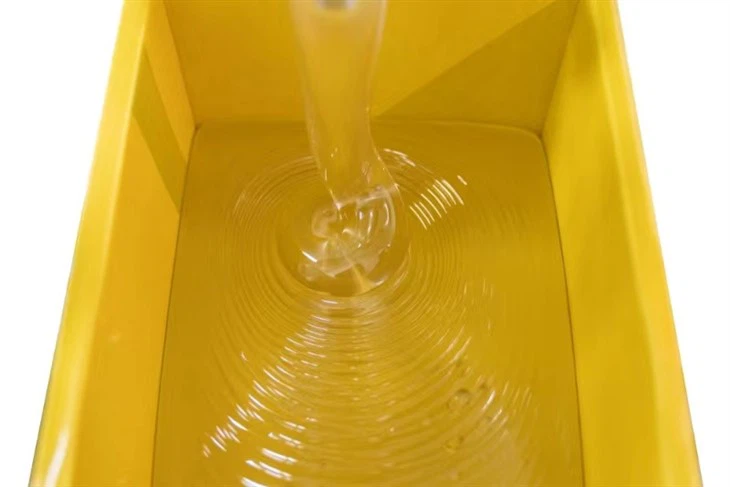
There are different grades of polyisobutylene available, each with its own unique molecular weight and viscosity. For sealant applications, medium molecular weight polyisobutylene is often preferred due to its balance of properties, such as good flowability during processing and high elasticity in the final product. Our company offers several high-quality polyisobutylene products for sealants, including MB-10 Polyisobutylene for Sealents and Polyisobutylene For Insulated Glass Sealant.
Mechanisms of Puncture Resistance Enhancement
The puncture resistance of a sealant refers to its ability to withstand the penetration of sharp objects without tearing or breaking. Polyisobutylene enhances the puncture resistance of sealants through several mechanisms:

1. Elasticity and Energy Absorption
Polyisobutylene has a high degree of elasticity, which allows it to deform under stress and then return to its original shape. When a sharp object punctures a sealant containing polyisobutylene, the polymer chains stretch and absorb the energy of the impact. This energy absorption helps to prevent the sealant from tearing and reduces the likelihood of the puncture causing a complete failure of the seal.
2. Adhesion and Cohesion
Polyisobutylene has good adhesion properties, which allow it to bond well to various substrates. This adhesion helps to keep the sealant in place and prevents it from being easily dislodged by a puncturing object. Additionally, polyisobutylene contributes to the cohesion of the sealant, meaning that the polymer chains within the sealant are strongly attracted to each other. This cohesion helps to maintain the integrity of the sealant and resist the propagation of cracks or tears caused by punctures.
3. Flexibility and Toughness
The flexibility of polyisobutylene allows the sealant to conform to irregular surfaces and accommodate movement without losing its sealing properties. This flexibility also makes the sealant more resistant to punctures, as it can bend and stretch around a sharp object rather than being punctured directly. Furthermore, polyisobutylene adds toughness to the sealant, making it more resistant to abrasion and wear, which can also contribute to improved puncture resistance.
Influence of Polyisobutylene Properties on Puncture Resistance
The molecular weight and viscosity of polyisobutylene can have a significant impact on the puncture resistance of sealants.
Molecular Weight
Medium molecular weight polyisobutylene, such as MB-12 Medium molecular weight Polyisobutylene for Gum Base, is often preferred for sealant applications because it offers a good balance of properties. Higher molecular weight polyisobutylene tends to have higher viscosity and greater elasticity, which can enhance the puncture resistance of the sealant. However, it may also be more difficult to process and may require higher temperatures or longer mixing times. Lower molecular weight polyisobutylene, on the other hand, has lower viscosity and is easier to process, but it may not provide the same level of puncture resistance as higher molecular weight grades.

Viscosity
The viscosity of polyisobutylene affects its flowability and the ability of the sealant to wet and adhere to substrates. A sealant with too high a viscosity may not flow easily into gaps and crevices, which can reduce its sealing effectiveness and puncture resistance. Conversely, a sealant with too low a viscosity may not have sufficient body to resist punctures. Therefore, it is important to select a polyisobutylene grade with the appropriate viscosity for the specific sealant application.
Formulation Considerations
In addition to the properties of polyisobutylene, the formulation of the sealant also plays a crucial role in determining its puncture resistance. Other additives, such as fillers, plasticizers, and cross-linking agents, can interact with polyisobutylene and affect its performance.
Fillers
Fillers are often added to sealants to improve their mechanical properties, such as strength and stiffness. However, the type and amount of filler can also affect the puncture resistance of the sealant. For example, some fillers may increase the brittleness of the sealant, making it more prone to punctures. On the other hand, certain fillers, such as fibrous materials, can enhance the puncture resistance by providing additional reinforcement.
Plasticizers
Plasticizers are used to improve the flexibility and workability of sealants. However, excessive use of plasticizers can reduce the puncture resistance of the sealant by softening the polymer matrix and making it more susceptible to penetration. Therefore, it is important to use the appropriate amount of plasticizer to achieve the desired balance of properties.
Cross-Linking Agents
Cross-linking agents are used to create chemical bonds between the polymer chains in the sealant, which can improve its strength, durability, and puncture resistance. However, the type and amount of cross-linking agent need to be carefully controlled to avoid over-cross-linking, which can make the sealant brittle and reduce its flexibility.
Applications of Polyisobutylene-Enhanced Sealants
Sealants containing polyisobutylene with enhanced puncture resistance have a wide range of applications in various industries, including automotive, construction, and aerospace.
Automotive Industry
In the automotive industry, polyisobutylene-enhanced sealants are used for a variety of applications, such as sealing doors, windows, and sunroofs. These sealants need to be able to withstand the rigors of daily use, including exposure to weather conditions, vibrations, and impacts. The enhanced puncture resistance provided by polyisobutylene helps to ensure that the seals remain intact and prevent water, air, and noise from entering the vehicle.
Construction Industry
In the construction industry, polyisobutylene-enhanced sealants are used for sealing joints and gaps in buildings, bridges, and other structures. These sealants need to be able to withstand the movement and stress caused by temperature changes, wind, and seismic activity. The puncture resistance of the sealant is important to prevent the entry of water, moisture, and debris, which can cause damage to the structure over time.
Aerospace Industry
In the aerospace industry, polyisobutylene-enhanced sealants are used for sealing critical components, such as fuel tanks, hydraulic systems, and electrical enclosures. These sealants need to be able to withstand extreme conditions, including high temperatures, pressures, and vibrations. The enhanced puncture resistance provided by polyisobutylene helps to ensure the reliability and safety of these components.
Conclusion
Polyisobutylene plays a crucial role in enhancing the puncture resistance of sealants through its unique properties, such as elasticity, adhesion, flexibility, and toughness. By understanding the mechanisms of puncture resistance enhancement and the influence of polyisobutylene properties on sealant performance, formulators can develop high-quality sealants that meet the specific requirements of various applications.
As a leading supplier of Polyisobutylene For Sealant, we are committed to providing our customers with the highest quality products and technical support. If you are interested in learning more about our polyisobutylene products or have any questions about their application in sealants, please do not hesitate to contact us. We look forward to discussing your specific needs and working with you to develop the best sealant solutions.
References
- "Polyisobutylene: Properties, Applications, and Market Trends" - Chemical Market Reporter
- "Sealant Technology Handbook" - CRC Press
- "Advances in Polymer Science: Polyisobutylene and Related Polymers" - Springer


