


Hey there! As a supplier of Polyisobutylene For Sealant, I've been getting a ton of questions lately about how polyisobutylene influences the fire resistance of sealant. So, I thought I'd sit down and write this blog to share some insights.
First off, let's talk a bit about polyisobutylene itself. Polyisobutylene is a synthetic rubber-like polymer. It has some really cool properties that make it a great ingredient in sealants. It's highly resistant to water, oxygen, and ozone, which means it can keep the sealant working well in different environments.
Now, when it comes to fire resistance, polyisobutylene plays a pretty important role. One of the key ways it does this is by forming a protective layer. When exposed to high temperatures, polyisobutylene can start to decompose in a way that creates a char layer. This char layer acts as a barrier between the fire and the rest of the sealant. It slows down the spread of heat and flames, giving us a bit more time in case of a fire.
Let's dig a bit deeper into the science behind it. The chemical structure of polyisobutylene is made up of long chains of isobutylene monomers. These chains are quite stable under normal conditions. But when heat is applied, the bonds in these chains start to break. As they break, they release some gases. These gases can dilute the oxygen around the sealant, which is essential for the fire to keep burning. Less oxygen means the fire has a harder time spreading.
Another factor is that polyisobutylene has a relatively high thermal stability. This means it can withstand a certain amount of heat before it starts to break down completely. This gives the sealant some time to perform its function even in a high - temperature environment.
Now, different types of polyisobutylene can have different effects on fire resistance. For example, MB - 12 Medium molecular weight Polyisobutylene for Gum Base has a medium molecular weight. This medium molecular weight gives it a good balance of properties. It can form a decent char layer and has a reasonable thermal stability. So, when used in sealants, it can contribute to better fire - resistant performance.
Polyisobutylene For Insulated Glass Sealant is another type that's often used. In the case of insulated glass, fire resistance is crucial. Polyisobutylene here helps to ensure that the sealant around the glass can hold up in case of a fire. It prevents the glass from shattering too quickly and keeps the integrity of the insulation intact.
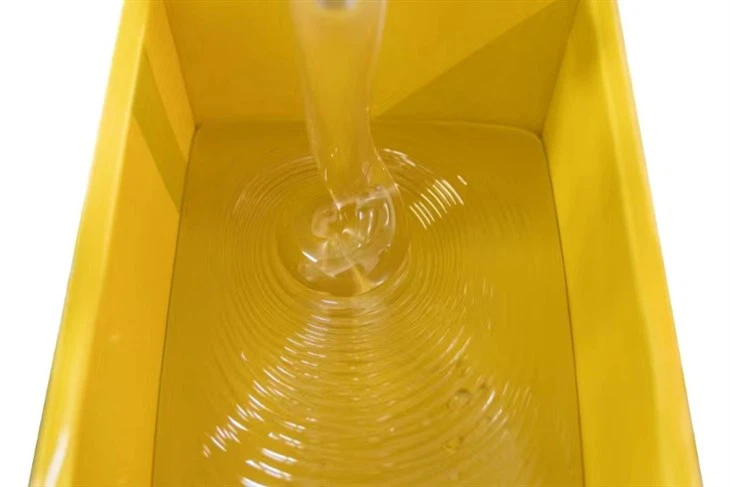

Then there's MB - 10 Polyisobutylene for Sealents. This type is specifically formulated for sealants. It has properties that enhance the overall performance of the sealant, including its fire - resistant capabilities. It can mix well with other components in the sealant, which helps in creating a more effective fire - resistant product.
But it's not just about the polyisobutylene on its own. The way it's formulated with other ingredients in the sealant also matters a lot. For example, some additives can work together with polyisobutylene to improve fire resistance even more. These additives can react with the polyisobutylene during the decomposition process and create a more stable and effective char layer.
In addition, the amount of polyisobutylene used in the sealant formulation is crucial. If there's too little, it might not be able to form a strong enough char layer or have a significant impact on oxygen dilution. On the other hand, if there's too much, it could affect other properties of the sealant, like its adhesion or flexibility.
When it comes to testing the fire resistance of sealants with polyisobutylene, there are standard tests that are used. These tests measure things like the time it takes for the sealant to catch fire, the rate at which the fire spreads, and the amount of heat released. By looking at the results of these tests, we can get a good idea of how well the polyisobutylene - containing sealant will perform in a real - world fire situation.
In the market, there's a growing demand for fire - resistant sealants. Buildings, especially commercial and high - rise ones, need to meet strict fire safety regulations. That's where our polyisobutylene - based sealants come in. They offer a reliable solution for ensuring that the sealants used in these buildings can help prevent the spread of fire.
If you're in the business of making sealants or are involved in a project that requires fire - resistant sealants, you might be interested in our polyisobutylene products. We've got a range of options to suit different needs and applications. Whether you need it for insulated glass, general sealant use, or something else, we can provide the right type of polyisobutylene.
If you want to learn more about how our polyisobutylene can improve the fire resistance of your sealants or have any questions about our products, don't hesitate to reach out. We're here to help you make the best choice for your project.
References
- ASTM International. (20XX). Standard test methods for fire - related properties of sealants.
- Smith, J. (20XX). The role of polymers in fire - resistant materials. Polymer Science Journal.
- Johnson, A. (20XX). Polyisobutylene: properties and applications in sealants. Sealant Technology Magazine.


