


As a supplier of Polyisobutylene for Gum Base, I've witnessed firsthand the profound impact of this versatile polymer on the characteristics of gum base, especially its viscosity. In this blog post, I'll delve into the science behind how polyisobutylene affects the viscosity of gum base, exploring the mechanisms, factors, and practical implications.
Understanding Polyisobutylene and Gum Base
Polyisobutylene is a synthetic rubber - like polymer derived from the polymerization of isobutylene monomers. It is known for its excellent chemical stability, low permeability to gases, and high flexibility. Gum base, on the other hand, is the non - sugar, non - flavor component of chewing gum that provides the chewy texture. It typically consists of elastomers, resins, waxes, and softeners.
Polyisobutylene is a crucial elastomer in gum base formulation. It contributes to the elasticity, plasticity, and overall texture of the gum. One of the most important properties it influences is the viscosity of the gum base, which in turn affects the chewing experience, processing, and storage stability of the gum.
Mechanisms of Viscosity Modification
The viscosity of a substance is a measure of its resistance to flow. In the context of gum base, the right viscosity is essential for proper processing during manufacturing and a pleasant chewing experience for consumers. Polyisobutylene affects the viscosity of gum base through several mechanisms:
Molecular Entanglement
Polyisobutylene molecules are long chains. When dissolved or dispersed in the gum base matrix, these chains can become entangled with each other and with other components of the gum base, such as resins and waxes. This entanglement creates a network structure that resists flow, increasing the viscosity of the gum base. The longer the polyisobutylene chains (higher molecular weight), the more likely they are to entangle, leading to a higher viscosity.
Interaction with Other Components
Polyisobutylene can interact with other components in the gum base through physical and chemical forces. For example, it can form weak van der Waals forces with resin molecules. These interactions can either increase or decrease the mobility of the molecules in the gum base, depending on the nature and strength of the interaction. In most cases, these interactions contribute to the overall viscosity by restricting the free movement of the components.
Solvation and Swelling
In the gum base formulation, polyisobutylene may absorb certain solvents or plasticizers present in the system. This solvation and swelling process can cause the polyisobutylene molecules to expand, filling more space in the gum base matrix. As a result, the flow of the gum base is restricted, and the viscosity increases.
Factors Affecting the Impact of Polyisobutylene on Viscosity
Molecular Weight
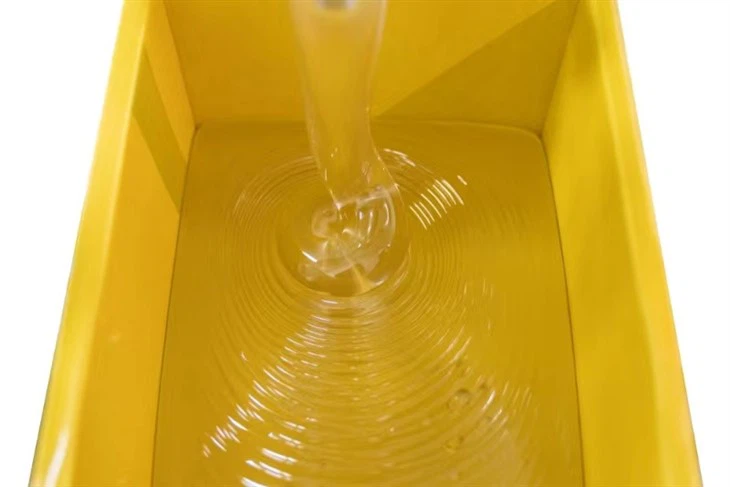
The molecular weight of polyisobutylene is a critical factor in determining its effect on the viscosity of gum base. Generally, higher molecular weight polyisobutylene leads to a higher viscosity of the gum base. This is because longer chains have more opportunities for entanglement and stronger interactions with other components. For example, our MB - 12 Medium molecular weight Polyisobutylene for Gum Base has a well - balanced molecular weight that provides an optimal level of viscosity for gum base formulation, resulting in a good balance between elasticity and chewability.

Concentration
The amount of polyisobutylene added to the gum base also affects its viscosity. As the concentration of polyisobutylene increases, the number of entanglements and interactions within the gum base matrix also increases, leading to a higher viscosity. However, there is a limit to this effect. Beyond a certain concentration, the gum base may become too viscous, making it difficult to process during manufacturing and resulting in an unpleasant chewing experience.
Temperature
Temperature has a significant influence on the viscosity of gum base containing polyisobutylene. At higher temperatures, the kinetic energy of the molecules in the gum base increases, reducing the strength of the molecular entanglements and interactions. As a result, the viscosity of the gum base decreases. Conversely, at lower temperatures, the viscosity increases as the molecular motion is restricted. This temperature - viscosity relationship is important for both the manufacturing process (where precise temperature control is required) and the storage and use of the gum.
Practical Implications of Viscosity Modification
Manufacturing Process
The viscosity of the gum base affects every step of the manufacturing process. During mixing, a proper viscosity ensures that all the components are evenly distributed. If the viscosity is too low, the components may separate, leading to an inconsistent product. If it is too high, the mixing process may become difficult and energy - intensive.
During extrusion and molding, the viscosity of the gum base determines its flow behavior. A suitable viscosity allows the gum base to be shaped into the desired form easily. For example, if the viscosity is too high, the gum base may not flow through the extrusion die smoothly, resulting in uneven shapes or blockages.
Chewing Experience
The viscosity of the gum base directly impacts the chewing experience. A gum base with the right viscosity provides a pleasant chew, neither too soft and sticky nor too hard and rubbery. Polyisobutylene helps to achieve this balance by adjusting the viscosity to a level that allows for easy chewing, elasticity, and long - lasting flavor release.
Storage Stability
The viscosity of the gum base also affects its storage stability. A gum base with an appropriate viscosity is less likely to undergo phase separation or hardening during storage. This ensures that the gum retains its quality and texture over time, providing a consistent product for consumers.
Other Applications of Polyisobutylene
While our focus is on polyisobutylene for gum base, it's worth noting that polyisobutylene has a wide range of other applications. For example, Polyisobutylene For Insulated Glass Sealant is used in the construction industry to seal insulated glass units, providing excellent gas barrier properties and weather resistance. Our MB - 10 Polyisobutylene for Sealents is specifically formulated for sealant applications, where it helps to achieve the right viscosity and adhesion properties.
Conclusion and Call to Action
In conclusion, polyisobutylene plays a vital role in modifying the viscosity of gum base, which in turn affects the manufacturing process, chewing experience, and storage stability of chewing gum. As a supplier of high - quality polyisobutylene for gum base, we understand the importance of providing products with the right molecular weight and properties to meet the specific needs of our customers.
If you are in the gum manufacturing industry or any other industry that requires polyisobutylene, we invite you to contact us for a detailed discussion on how our products can meet your requirements. Our team of experts is ready to assist you in selecting the most suitable polyisobutylene for your application and providing technical support throughout the process.
References
- Morton, M. (Ed.). (1987). Rubber Technology. Van Nostrand Reinhold.
- Seymour, R. B., & Carraher, C. E. (2003). Polymer Chemistry: An Introduction. Marcel Dekker.
- Bristow, G. M. (1973). Natural Rubber Science and Technology. Oxford University Press.


