


Polyisobutylene (PIB) is a synthetic elastomer with a wide range of applications, primarily in the production of sealants. As a leading supplier of Polyisobutylene for Sealant, I often receive inquiries about its potential use in electronic applications. In this blog post, I will explore the properties of PIB, its traditional uses in sealants, and evaluate its suitability for electronic applications.
Properties of Polyisobutylene
Polyisobutylene is a polymer derived from the polymerization of isobutylene. It is characterized by its high molecular weight, low glass - transition temperature, and excellent chemical resistance. These properties give PIB unique physical and chemical characteristics that make it a valuable material in various industries.
One of the most significant features of PIB is its high impermeability to gases and moisture. This property is crucial for sealants, as it helps prevent the ingress of air, water vapor, and other contaminants into the sealed area. Additionally, PIB has good flexibility and adhesion, which allows it to conform to irregular surfaces and form a tight seal.
Another advantage of PIB is its chemical stability. It is resistant to a wide range of chemicals, including acids, bases, and solvents. This makes it suitable for use in harsh environments where other materials may degrade or fail.
Traditional Uses of Polyisobutylene in Sealants
In the sealant industry, PIB is widely used due to its excellent sealing properties. It is commonly found in applications such as automotive gaskets, construction sealants, and industrial adhesives.

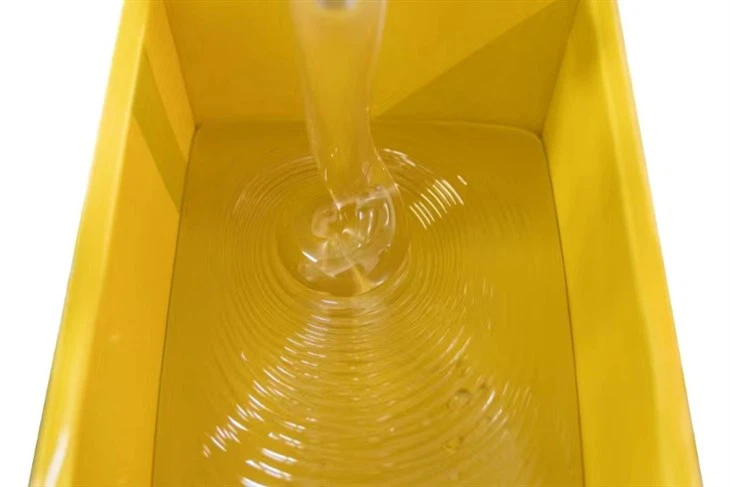
In automotive applications, PIB - based sealants are used to seal joints between engine components, doors, and windows. The high gas and moisture barrier properties of PIB help prevent leaks, reduce noise, and improve the overall performance and durability of the vehicle.
In the construction industry, PIB sealants are used for sealing gaps in buildings, such as around windows, doors, and roofing. They provide a long - lasting seal that protects against weathering, water infiltration, and air leakage, which can improve energy efficiency and indoor comfort.
Industrial adhesives that incorporate PIB are used for bonding various materials, including metals, plastics, and rubber. The flexibility and adhesion of PIB ensure a strong bond, even under challenging conditions.
Potential for Electronic Applications
The question remains: can polyisobutylene for sealant be used in electronic applications? To answer this, we need to consider the specific requirements of electronic devices.
1. Electrical Insulation
Electronic devices require materials with good electrical insulation properties to prevent short - circuits and ensure proper functioning. PIB is an insulator, which means it has a high electrical resistance. This property makes it potentially suitable for use as an insulating material in electronic applications. For example, it could be used to seal electronic components to prevent the ingress of moisture and dust, which could otherwise cause electrical failures.
2. Thermal Conductivity
In some electronic applications, heat dissipation is a critical factor. While PIB is not known for its high thermal conductivity, it can act as a thermal barrier in certain situations. For instance, it can be used to isolate sensitive electronic components from heat sources, protecting them from overheating.
3. Compatibility with Electronic Components
PIB must be compatible with the various materials used in electronic devices, such as printed circuit boards (PCBs), semiconductors, and connectors. It should not cause any chemical reactions or degradation of these materials over time. Fortunately, PIB's chemical stability suggests that it can be compatible with many electronic materials. However, further testing is required to ensure compatibility with specific components.
4. Low Outgassing
Outgassing is the release of volatile substances from a material. In electronic applications, low outgassing is essential to prevent contamination of sensitive components. PIB generally has low outgassing characteristics, which makes it a promising candidate for use in electronic enclosures and other applications where cleanliness is crucial.
Our Product Offerings
As a supplier of Polyisobutylene for Sealant, we offer a range of products that may be suitable for electronic applications. Our MB - 15 Polyisobutylene for Film has excellent film - forming properties, which could be useful for creating protective barriers in electronic devices. The MB - 12 Medium molecular weight Polyisobutylene for Gum Base offers good flexibility and adhesion, which are desirable for sealing applications. And our MB - 10 Polyisobutylene for Sealents is specifically formulated for sealant applications and has the potential to be adapted for electronic use.
Case Studies and Testing
To determine the suitability of PIB for electronic applications, we have conducted several tests and case studies. In one case, we used our PIB - based sealant to seal a prototype electronic device. After a period of testing, we found that the sealant effectively prevented the ingress of moisture and dust, and there were no signs of chemical degradation of the electronic components.
In another test, we measured the electrical insulation properties of our PIB products. The results showed that they had high electrical resistance, indicating their potential as insulating materials in electronic applications.
However, more extensive testing is needed to fully understand the performance of PIB in different electronic environments and with various components. We are currently collaborating with research institutions and electronic manufacturers to conduct further studies.
Conclusion
Polyisobutylene for sealant has several properties that make it a potential candidate for electronic applications. Its high gas and moisture barrier properties, electrical insulation, chemical stability, and low outgassing characteristics suggest that it can be used to protect and seal electronic components.
While our initial tests and case studies are promising, further research and development are required to optimize its performance in electronic applications. We are committed to working with our customers and partners to explore the full potential of PIB in the electronics industry.
If you are interested in learning more about our Polyisobutylene products for potential electronic applications or would like to discuss a specific project, we invite you to contact us for a detailed consultation and to start a procurement discussion. We are eager to work with you to find the best solutions for your electronic sealing needs.
References
- "Handbook of Elastomers" by B. K. Gupta.
- "Polymer Science and Technology" by A. Rudin.
- Industry reports on sealant and electronic materials applications.


